Century-old home symbolizes the enduring contributions of Montgomery County’s earliest Black families to education, community building, and cultural heritage
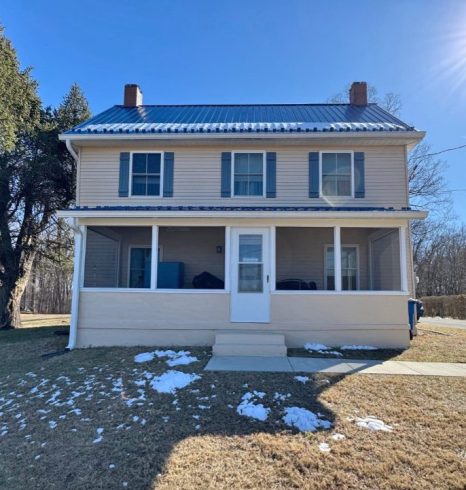
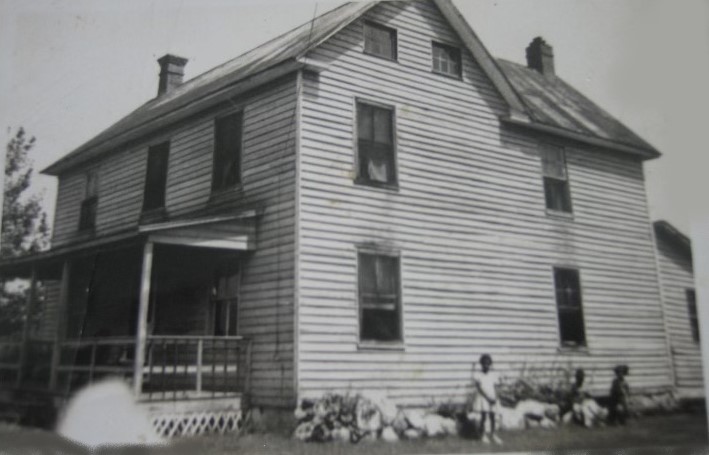
Wheaton, Md. – The Montgomery County Planning Board, part of The Maryland-National Capital Park and Planning Commission (M-NCPPC), has recommended the addition of the Rose-Budd House to the county’s Master Plan for Historic Preservation. The 113-year-old house is one of the few remaining structures from the early twentieth century that embodies the significant contributions of multiple generations of the Budd family to the growth and development of Sandy Spring’s Black community.
“The Rose-Budd House is a powerful symbol of community resilience, education, and civic engagement,” said Artie Harris, Chair of the Montgomery County Planning Board. “Its association with Perry Budd and generations of the Budd family reflects the deep roots and contributions of Sandy Spring’s Black residents to the county’s development. We are proud to recommend this site for historic designation.”
More about the Budd family legacy
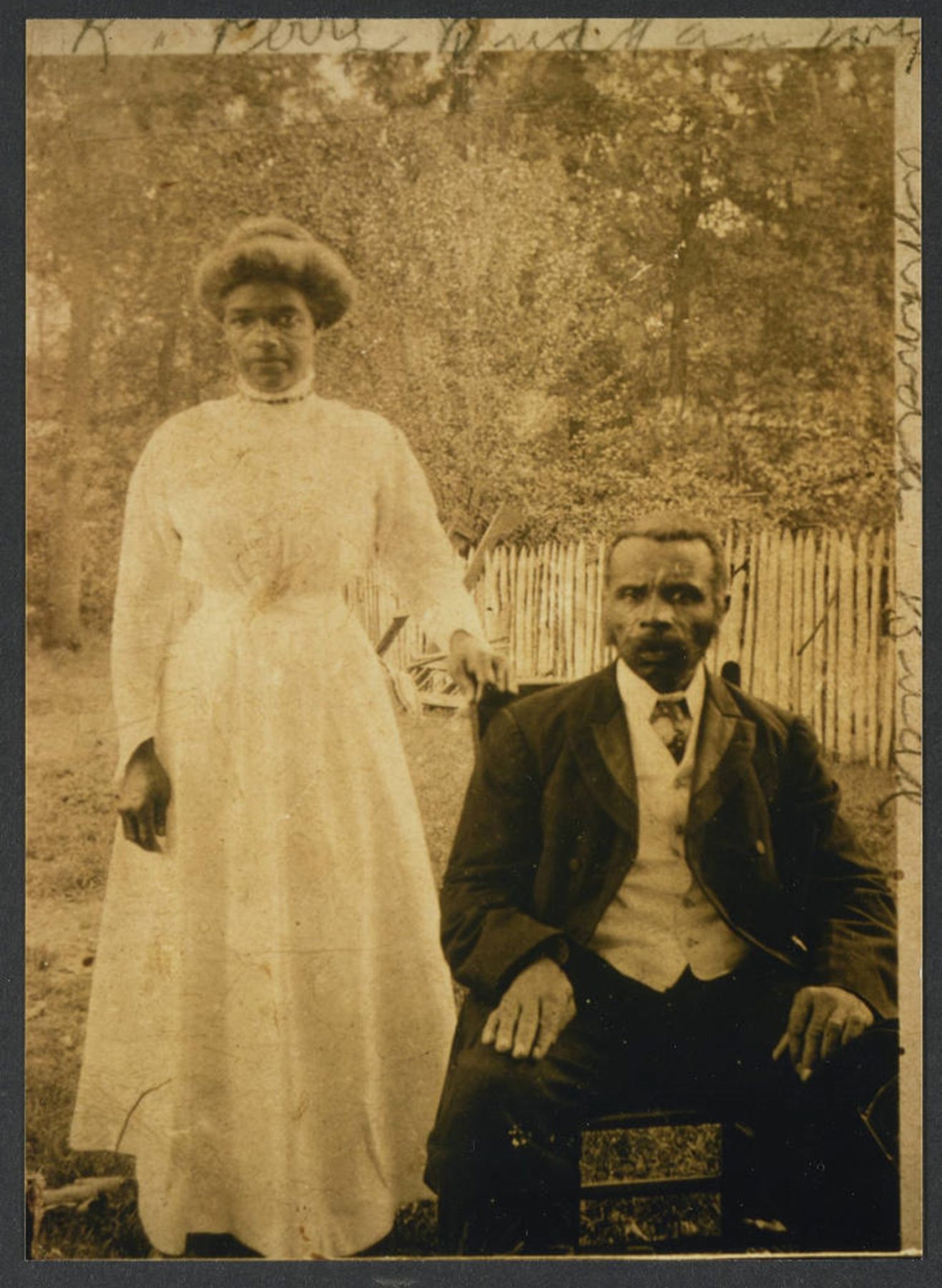
Built circa 1912 by Perry Budd and located at 18583 Brooke Road in Sandy Spring, the Rose-Budd House has remained in the possession of his descendants among the Budd, Riggs, and Rose families. The house was nominated for historic designation at the current owners’ request. The Budd family, present in Sandy Spring since the early 1800s, were founding settlers of several of the mid-nineteenth century free Black communities in the area. Every generation of the Budd family contributed not only to key causes that empowered the growth of the Black community, but to the operations and social and physical development of the Sandy Spring Quaker lifestyle.
Perry Budd, a graduate of the Centenary Biblical Institute (now Morgan State University), was a pioneering educator in Montgomery County and a trustee of the Sharp Street School, the first school for Black children in the county. The family also played key roles in founding local churches and supporting educational institutions.
“The Rose-Budd House is not only architecturally significant, but also a living testament to the story of Black middle-class life in Montgomery County,” said Montgomery Planning Historic Preservation Division Chief Rebeccah Ballo. “Its preservation ensures that future generations can always remember and honor the legacy of families like the Budds, who helped shape the social and physical landscape of Sandy Spring.”
Read the Rose-Budd House historic designation report and the Rose-Budd House Public Hearing Draft, both developed by the Historic Preservation Division within the Montgomery County Planning Department, which is also part of The M-NCPPC.
Montgomery County’s historic designation process
The Planning Board’s recommendation to historically designate the Rose-Budd House in Montgomery County follows a unanimous vote by the Historic Preservation Commission in July 2025. The Montgomery County Council will make the final decision on the designation following a public hearing to be scheduled at a later date. Community members are encouraged to participate in the process and share their perspectives.
When a property is approved to be historically designated in Montgomery County, all changes to the exterior of the property must be reviewed by the HPC before issuing any permits. Designation in the Master Plan for Historic Preservation:
- Recognizes significant architectural and cultural sites.
- Protects buildings and neighborhoods from demolition.
- Manages exterior alterations to resources.
- Provides property owners with information on care, restoration, and preservation.
- Qualifies property owners for special tax benefit programs.