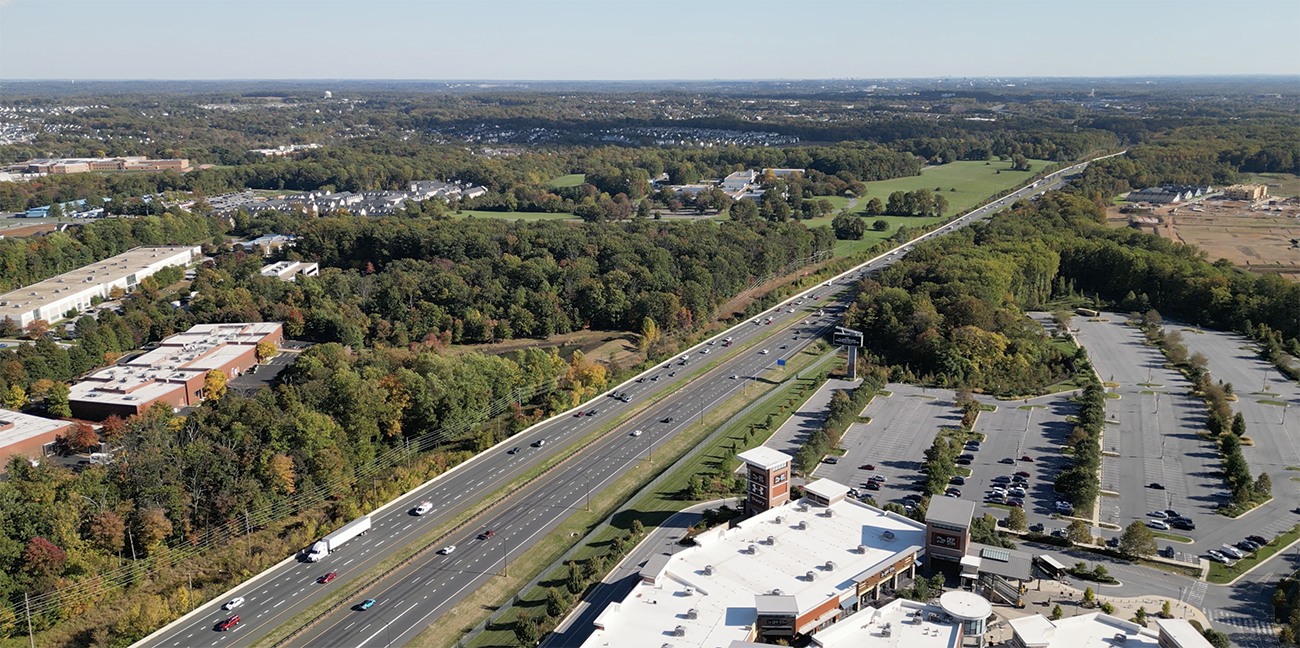
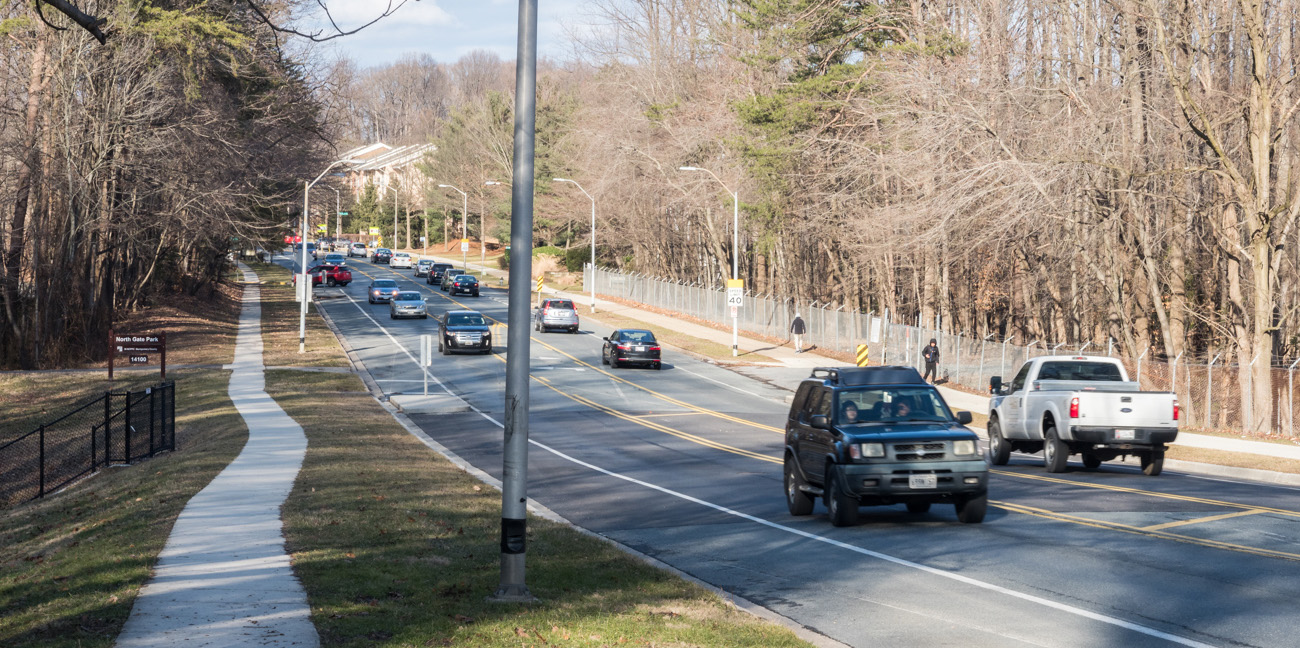
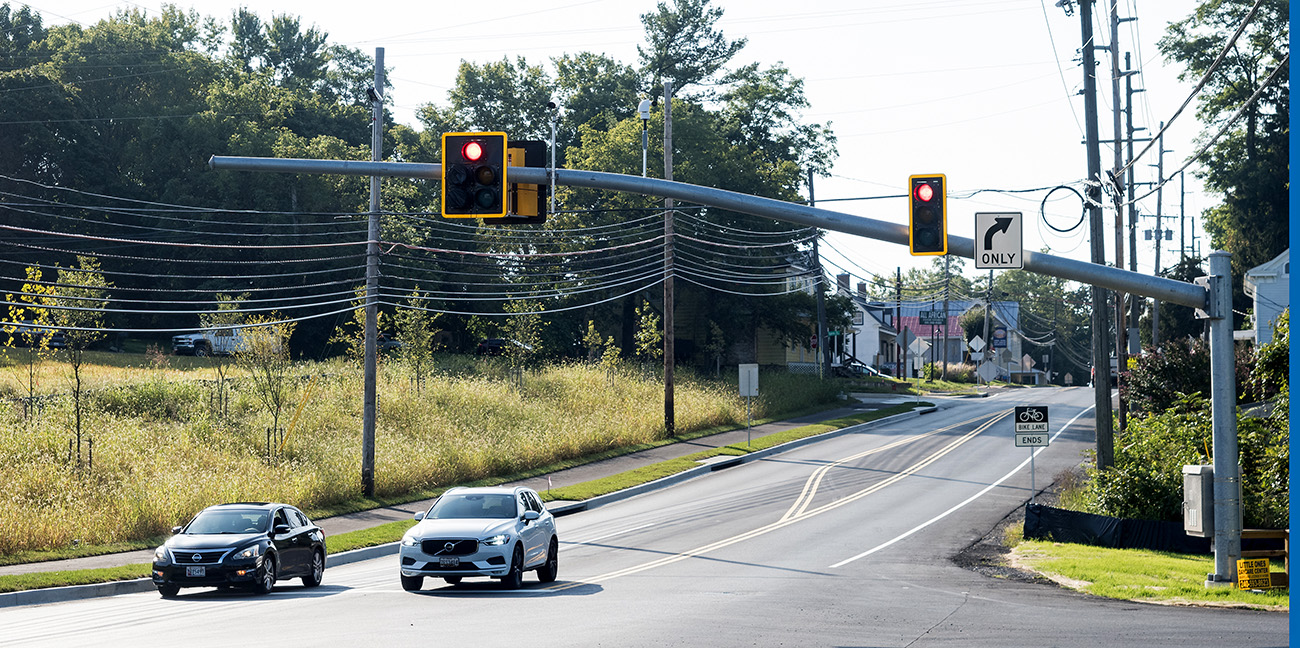
The Montgomery Village to Clarksburg Study will analyze current and future travel patterns in this area of the county and will identify any transportation deficiencies, and work with the Montgomery County Department of Transportation to determine what improvements are practical and when they could be implemented. The study, launched in 2026, is technical in nature and is not a formal planning or policy effort. The results will help determine what transportation modes and solutions are most needed along the corridor and guide future decisions to improve connectivity for residents.
The study was a recommendation from the 2025 technical update to the Master Plan of Highways and Transitways. The plan removed the unbuilt northern extension of Midcounty Highway (M-83) from the plan. As a result, the County Council tasked planners with conducting this comprehensive study of travel needs from Clarksburg to Montgomery Village to determine whether there is sufficient master-planned transportation capacity to accommodate planned development, as well as the feasibility and timeline of implementing planned and existing master-planned transportation improvements.
The study is scheduled be completed by spring 2027.
Study goals
The study will examine transportation and traffic conditions along the corridor originally planned for the northern extension of Midcounty Highway (M‑83) and assess whether transportation capacity meets master plan adequacy both within the corridor and across plan area boundaries. It will also evaluate the feasibility and anticipated timeline for implementing a range of transportation improvements.
Anticipated schedule
-
Spring 2026Scope of Work approval
-
Spring 2026Transportation Data Collection
-
Summer 2026Existing Transportation Conditions
-
Summer/Fall 2026Transportation Forecasts and Analysis
-
Summer/Fall 2026Check-in with Planning Board
-
Fall 2026Public Meeting No. 1
-
Fall 2026Draft Recommendations
-
Fall 2026Feasibility and Timeline Assessment
-
Winter 2026/2027Public Meeting No. 2
-
Spring 2027Planning Board Review