How Montgomery Planning Board Commissioner Shawn Bartley came to “champion” single-family homes

Posted: by

By Montgomery Planning staff

Montgomery Planning is celebrating Black History Month by sharing the voices, journeys, and impact of Montgomery Planning’s Black leaders.

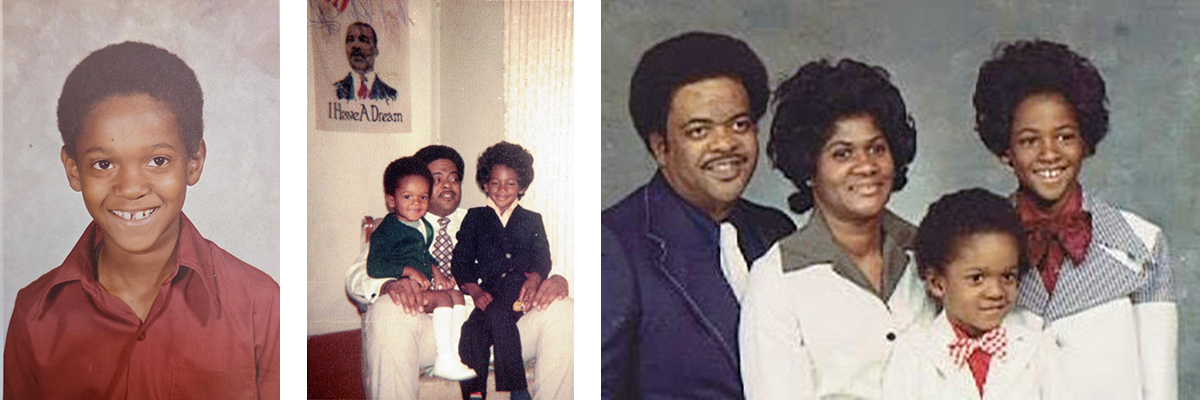
Shawn Bartley remembers how safe he felt growing up in his family’s house in Moreno Valley, Calif., especially the small but private yard where an introverted 8-year-old like him could play in peace and quiet.

His family of four had been so excited to move there that they’d often drive out to the construction site to photograph their new home as it took shape. The house was small, about 1,200 square feet. But it would allow them to escape a gang-ridden area of nearby East Riverside. An apartment complex there had been what his family … Continue reading
Montgomery Planning Board Chair Artie Harris grew up learning to give back

Posted: by

By Montgomery Planning staff

Montgomery Planning is celebrating Black History Month by sharing the voices, journeys, and impact of Montgomery Planning’s Black leaders.

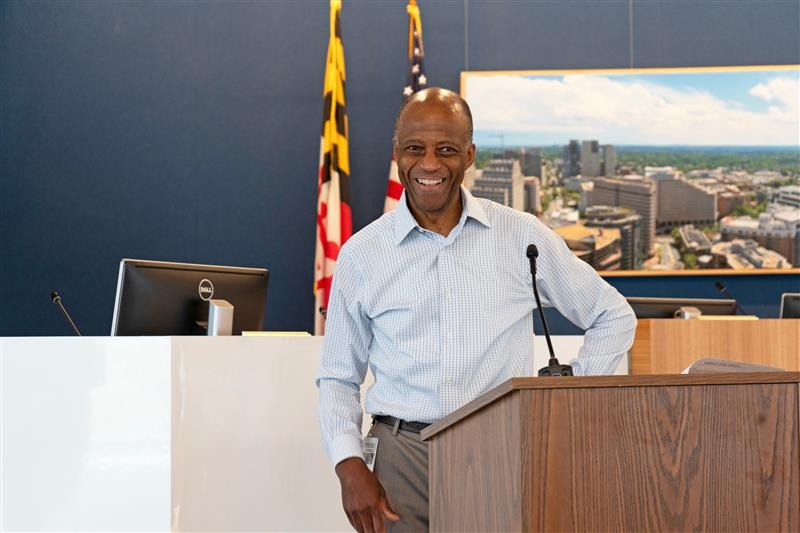
Artie Harris worries that Montgomery County’s skyrocketing home prices will leave too many residents, including his two adult daughters, unable to afford a home in a neighborhood like the one where they grew up.

It’s one reason why helping the county get “unstuck” from its affordable housing crisis feels personal–and remains Harris’ top priority as chair of the Montgomery County Planning Board.

As Harris helps chart Montgomery’s future, he wants the county to offer more reasonably priced homes in all sizes, from large apartments for growing families to starter homes for young buyers and smaller … Continue reading

Honoring Clarksburg’s Legacy: The Enduring Impact of Black Activism and Community in Rocky Hill

Posted: by

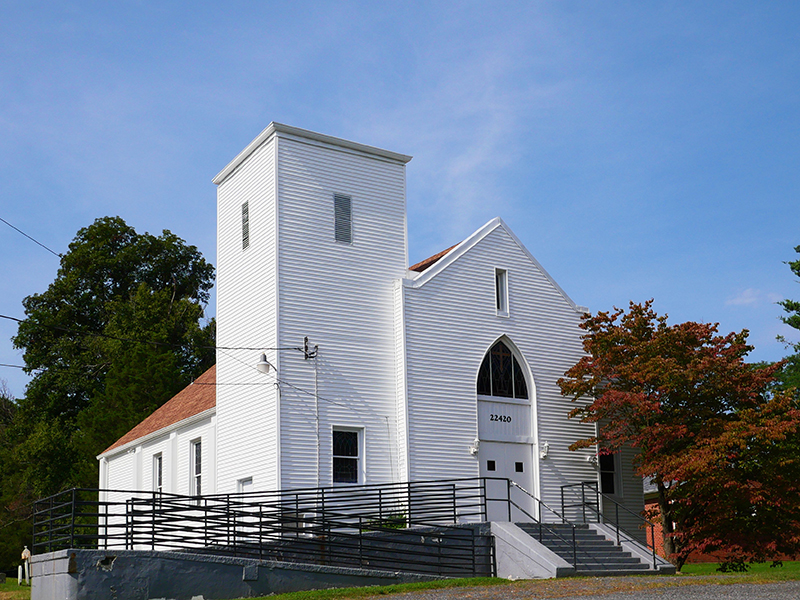
Nestled just off Frederick Road, half a mile from downtown Clarksburg, sits Rocky Hill, one of Montgomery County’s earliest African American communities. Established toward the end of the 19th century, the Rocky Hill neighborhood grew as Black families rented and bought land in and around Clarksburg and built a church and school. As part of the Clarksburg Gateway Sector Plan, Montgomery Planning is proposing to designate a site and district to the Master Plan for Historic Preservation: The Community of Faith United Methodist Church and Cemetery and the Clarksburg Heights subdivision founded and built by Wilson and Sarah Wims.

Community of Faith United Methodist Church: A Pillar of Strength


Formerly known as the Pleasant View Methodist Episcopal … Continue reading

Spotlight on Wheaton’s Black History

Posted: by

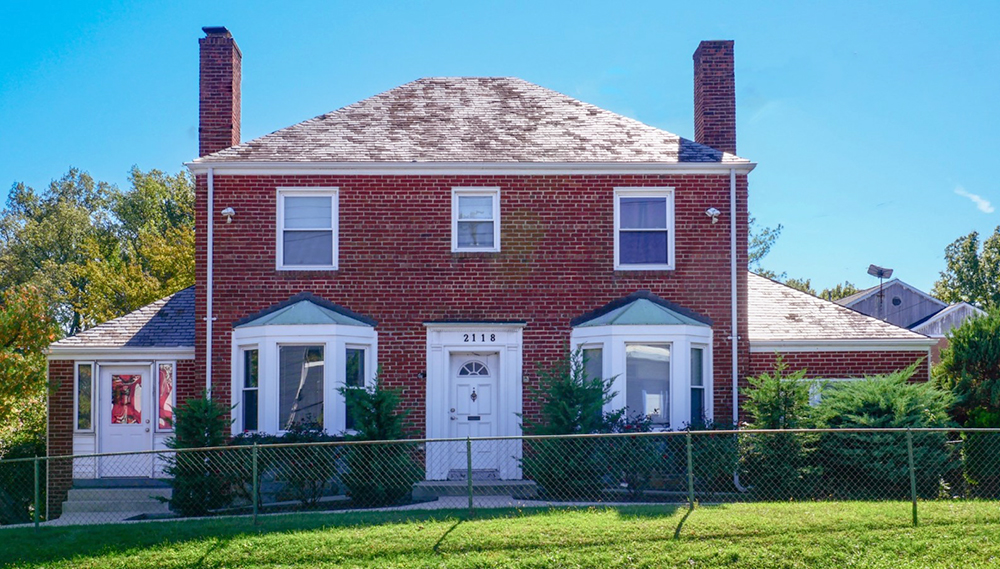
As you travel east on University Boulevard from downtown Wheaton, past the commercial strips and gas stations, you’ll encounter a Georgian Revival brick house with imposing chimneys. This simple but elegant home, with its symmetrical design and matching bay windows, stands in stark contrast to the modernist Art Deco WSJV Transmitter across the street and the post-WWII Ranch and Split-Level houses scattered throughout the nearby neighborhoods. The historic house was the home of Romeo and Elsie Horad. Built on Elsie’s ancestral land, the house stands as a testament to the achievements of the Websters, Sewells, and Horads who worked tirelessly to improve conditions for African American residents throughout Montgomery County and Washington, DC.

The Montgomery County Historic Preservation Commission … Continue reading

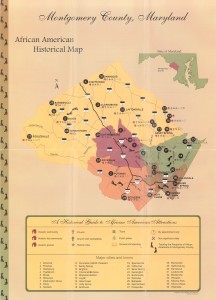
Montgomery’s Historically Black Communities

Posted: by

Tucked in among subdivisions and stream valleys, the County’s historically black settlements reflect a history that traces back to the County’s earliest days.

In 1790, local tobacco plantation were worked by slaves, who made up one third of the County’s population. Josiah Henson, whose memoirs inspired Harriet Beecher Stowe to write Uncle Tom’s Cabin, described the conditions.

“In a single room were huddled, like cattle, ten or a dozen persons, men, women, and children. All ideas of refinement and decency were, of course, out of the question.”

But alongside planatations, the County’s Sandy Spring Quaker community freed its slaves in 1770, conveying to them land for a church and dwellings. Sandy Spring would also become a key stop on the … Continue reading